
Coral reefs are critical to marine biodiversity, coastal protection, and food security. They cover less than 1% of the ocean floor, but support approximately 25% of all marine life. Globally, coral reefs are facing unprecedented threats from climate change, pollution, overfishing, and coastal development. It is estimated that we have already lost more than 50% of coral reefs worldwide, and if no action is taken, up to 90% could disappear by 2050.
The Indian Ocean has been particularly affected by mass bleaching events, with the 1998 and 2016 events each resulting in significant coral mortality. In Mauritius, coral reefs have declined by over 40% in the past few decades. This has had cascading effects on fish populations, coastal erosion, and the health of lagoon ecosystems.
LagoonLife Foundation, in collaboration with the University of Mauritius, is responding to this crisis with a long-term coral rehabilitation program in the southwest lagoon of Mauritius. Our efforts aim to restore reef health, enhance biodiversity, and improve the resilience of lagoon ecosystems.
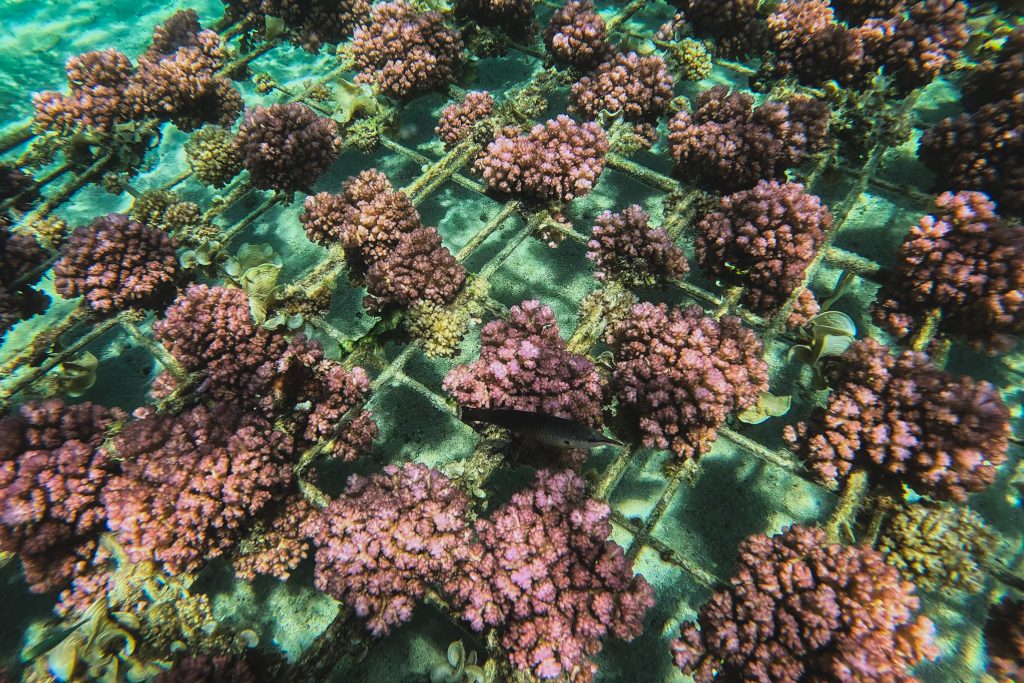
Our Approach to Coral Reproduction
At LagoonLife, coral restoration is guided by deep respect for natural processes, scientific understanding, and the delicate ecosystems we are working to protect. Coral reefs are complex, living systems—home to thousands of marine species and essential to coastal protection, biodiversity, and local livelihoods. Restoring them requires more than just planting fragments. It requires intention, patience, and a method rooted in both sustainability and science.
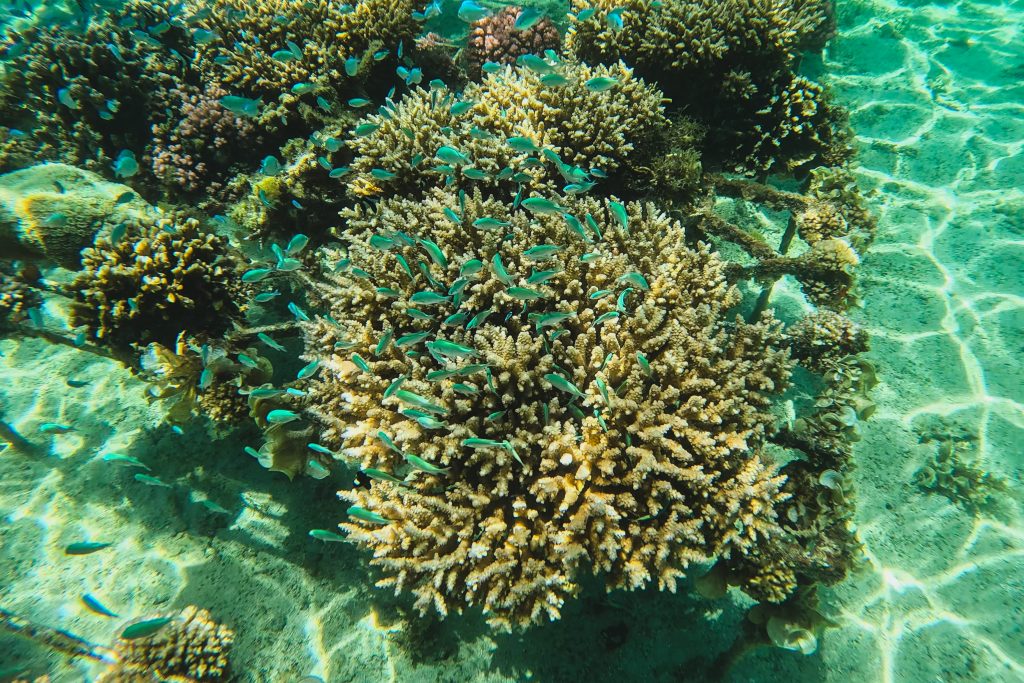
Asexual Reproduction (Coral Fragmentation)
Asexual reproduction is conducted by collecting naturally detached coral fragments found on the lagoon floor. These fragments—often broken off by storms, currents, or other natural events—are gathered from the sand and transferred to our coral nurseries. We do not harvest or break pieces from healthy coral colonies. Our method ensures a low-impact approach, giving damaged or dislodged corals a second chance to grow and recover.
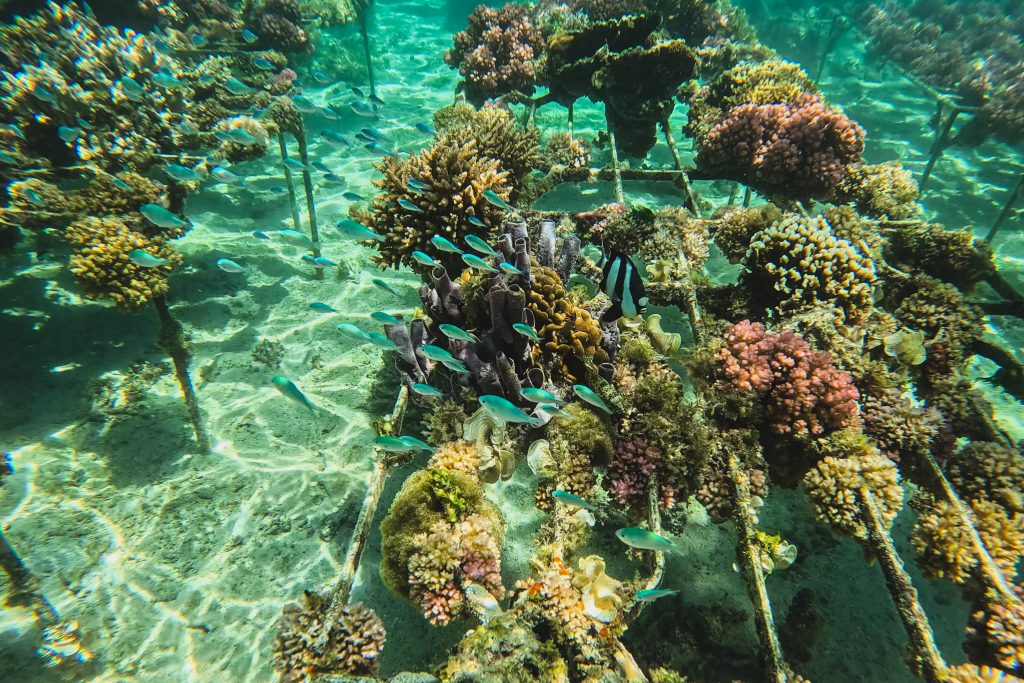
Sexual Reproduction (Spawning-Based Methods)
In parallel, we will explore methods of coral sexual reproduction, collecting gametes during spawning events and nurturing them into larvae. This technique enhances genetic diversity, increasing reef adaptability to climate change and other stressors. These sexually produced corals will eventually be settled in restoration areas to contribute to long-term reef regeneration.
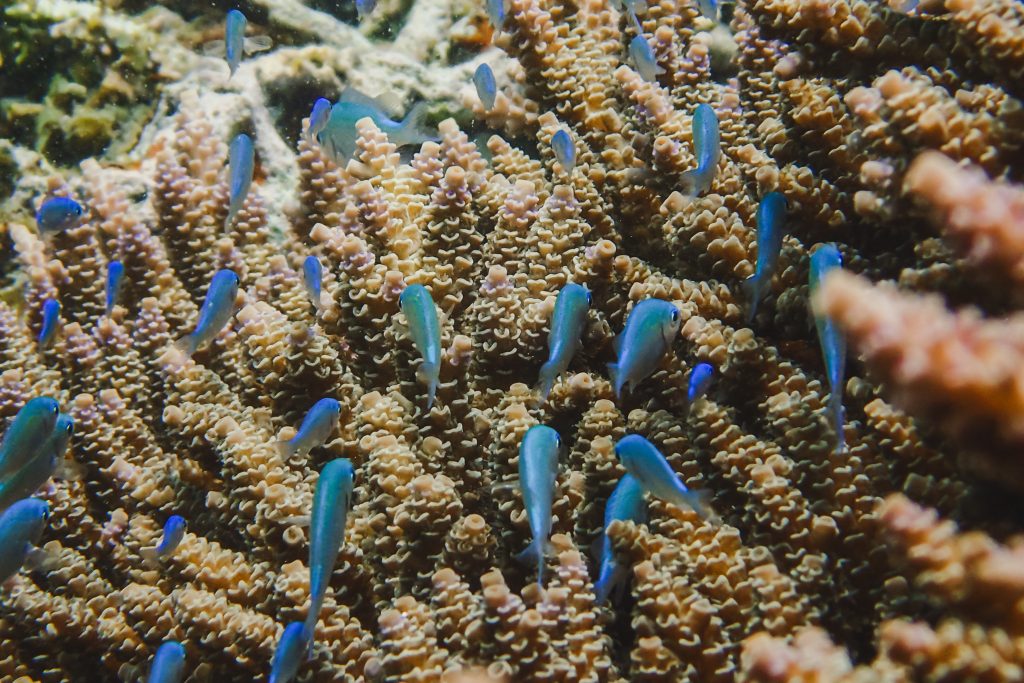
Building a Resilient Reef Future
By combining asexual and sexual coral reproduction, LagoonLife aims to create resilient reef zones that support biodiversity, coastal protection, and ecological balance. Our work is grounded in sustainability, science, and respect for nature—ensuring that every coral planted contributes to a healthier future for Mauritius’ lagoons and the broader ocean.